
Minority languages in Germany
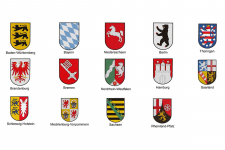
Germany is home to many minority languages still spoken by different ethnic communities across the country. These languages are an important part of Germany’s cultural heritage and identity. While German is the official language, minority languages are still spoken by various communities.
Low German or Plattdeutsch
Low German, also known as Plattdeutsch, is a West Germanic language spoken in northern Germany. It is primarily spoken in Schleswig-Holstein, Hamburg, Bremen, Lower Saxony, and Mecklenburg-Western Pomerania. Low German is one of the most widely spoken minority languages in Germany, with an estimated 2 million speakers.
Low German has a long history and has been used in literature, music, and theatre. It is also taught in schools in the northern regions of Germany. However, its use has declined in recent years, particularly among younger generations. Alongside Danish and North Frisian, Low German holds protected status in Schleswig-Holstein. One of its varieties, Plautdietsch, is still spoken by Mennonite communities well beyond Germany.
Sorbian
Sorbian is a Slavic language that is spoken in eastern Germany, particularly in the states of Saxony and Brandenburg. There are two varieties of Sorbian – Upper Sorbian and Lower Sorbian. Upper Sorbian has around 40,000 speakers, while Lower Sorbian has about 10,000.
Sorbian has a rich cultural heritage and is an integral part of the identity of the Sorbian people. It is used in literature, music, and theatre and is taught in schools in the Sorbian regions of Germany. However, the language is also declining, particularly among younger generations.
Danish
Danish is a North Germanic language that is spoken in northern Germany, particularly in the state of Schleswig-Holstein. While Danish is not an official language in Germany, it is still used by some regional communities. It is also the official language of Denmark and is spoken in Greenland and the Faroe Islands.
The use of Danish in Germany has declined over the years, mainly due to the integration of the Danish-speaking regions into the German state. However, efforts are still being made to preserve the language and its cultural heritage.
Frisian
Frisian is a West Germanic language spoken in Schleswig-Holstein and the Frisian Islands. It is also spoken in the Netherlands. Frisian has three main dialects – West Frisian, Saterland Frisian, and North Frisian.
Frisian has a strong cultural identity and is an integral part of the heritage of the Frisian people. It is used in literature, music, and theatre and is taught in schools in the Frisian regions of Germany. Efforts are also being made to preserve and promote the language.
Romani
Romani is an Indo-Aryan language spoken by the Romani people in Germany and other countries. It has several dialects, each with its own features and variations.
Romani has a long history and is an integral part of the cultural heritage of the Romani people. It is taught in schools in some Romani communities. However, the language is also declining, mainly due to discrimination and social exclusion.
Why are minority languages important?
Minority languages are important to a country’s cultural heritage and identity. They represent the diversity of the people who live in a country and are an important link to the past. They also help to create a sense of belonging and community among ethnic groups.
In addition, learning a minority language can have many benefits. It promotes empathy and understanding between different cultures and leads to a greater appreciation of diversity.